A big project rarely needs just one door. An office, hotel or condo can need dozens of doors, in different ratings and sizes, all delivered on time. So buying a commercial fire rated door in Singapore is as much about planning as the door itself. This guide keeps it simple for project teams: what to plan, what to check, and how to avoid common mistakes.
A home usually needs one door and one choice. A commercial job is a team effort with many doors and many people, so good planning matters. You will usually deal with:
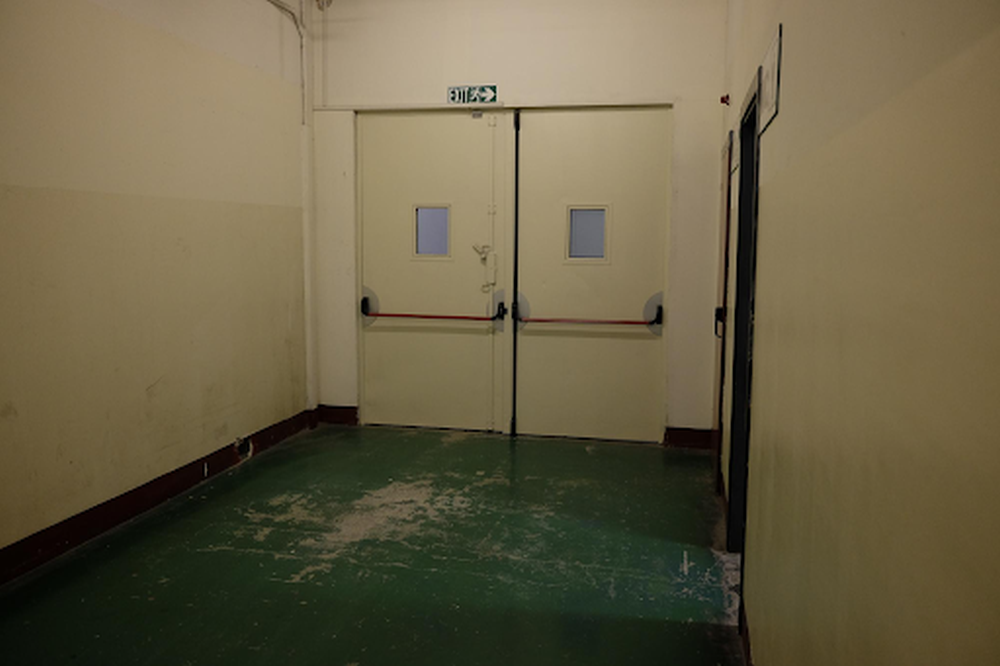
You will find commercial fire-rated doors wherever a space must stay sealed in a fire or an escape route must be protected. Common spots include office fire-rated doors, hotel fire doors, shopping centres, condo fire doors, healthcare and school buildings, warehouses, plant rooms and staircases.
Doors are rated by how long they hold back fire. Higher-risk areas need higher ratings. All doors must be certified to SS 332 or EN 1634-1 with a valid Certificate of Conformity.
|
Rating |
Holds back fire for |
Typical use |
|
FD60 |
1 hour |
Corridors, escape routes, condo walls |
|
FD90 |
1.5 hours |
Higher-risk rooms, service rooms |
|
FD120 |
2 hours |
Major fire compartments, plant rooms |
| FD240 (steel) |
4 hours |
Industrial and high-risk stores |
A door schedule keeps the whole project clear and consistent. For each door, note its reference, location, size, fire rating, material, frame, finish, hardware, any vision panel, and access control. Fix the schedule first, then order. Ordering before it is final is the top cause of delays.
Most projects use both. Timber suits offices and hotel rooms and is available up to 2-hour (FD120). Steel handles plant rooms, damp areas and the top 4-hour (FD240) rating. Remember that timber doors need a yearly check, while steel is every three years.
Fire doors need the right hardware, and every door must come with papers. Make sure each door has a self-closing device, panic bars on escape routes where needed, and locks or card access that suit the certified door. At handover, collect the papers so your building stays compliant.
Boon Woh shows clear starting prices for a certified door and frame. A 1-hour (FD60) timber door starts from S$788, a 1-hour steel door from S$1,288, a 2-hour steel door from S$1,488, and a 2-hour timber or 4-hour steel door from S$1,888. All prices are before 9% GST. Large orders are quoted per project, and fitting, delivery and permits are extra.
For a commercial fire rated door in Singapore, Boon Woh gives you one team from supply to handover, so there is less to chase.
A few simple slips cause most delays and extra cost on site. When you buy a commercial fire door, watch out for these:
Avoid these, and your doors arrive on time and pass their checks.
Each door needs a reference, location, size, fire rating, material, frame, finish, hardware, vision panel and access control.
As soon as the schedule and drawings are final. Ordering too early or too late both cause delays.
Yes, as long as the access hardware is checked and fits the certified doorset.
The Certificate of Conformity, product labels, hardware details, and delivery, fitting and warranty records.
Yes. Boon Woh makes doors in-house and can deliver floor by floor to match your site programme.
Yes. Most projects use timber for offices and rooms, and steel for plant rooms and the highest ratings.
Good commercial buying comes down to early planning: fix the ratings, sizes, frames, finishes and hardware first, confirm certification for every door, and plan delivery around the site. Do that, and the doors arrive on time and pass their checks.
Send Boon Woh your door schedule, ratings, finishes and timeline for a project quote. Call +65 6283 5329, email Sales@bwis.com.sg, or see /fire-rated-doors/.